A flexible, interpretive tabletop role-playing game system, Fables & Foxtales is a highly-customizable framework you can use to tell your story, your way. Whether you're weaving epic war sagas, journeys across vast distances, events of epic proportions, or just tales of everyday life, Fables & Foxtales can help you bring those tales to life, as well as create memorable moments and characters that you'll cherish for years to come.
A character-first approach to game mechanics that focuses on individuality and drawing strength from your unique capabilities.
Draw power from knowledge, experiences, beliefs, people, and objects, then use that power to enhance your dice rolls!
Straight-forward, goal-oriented character advancement lets you grow in the direction you want, for the reasons best suited to it.
A long list of planned supplementary content to expand the base rule set and cover a wider variety of both playstyles and genre preferences.
Core Mechanics
Mental - Physical - Social
Avoid - Change - Learn - Overcome
Bloom - Hone - Flourish
Playing the Game
Rounds - Scenes - Chapters
Intermission
Challenges - Taking Hits - Conditions
Recovery - Scenarios
Size - Durability - Tracking - Costs
Artifacts - Other Possessions
Defining Special Arts - Prerequisites
Capabilities - Spark - Advancement
Compendiums
Aspects - Scenarios - Special Arts
Additional Content
Optional Rules - Walks of Life
Campaign Sources
This site is a SRD for Fables & Foxtales v1.5. Copyright 2025 A. B. Ravencourt. All Rights Reserved.
Natures
The most fundamental concepts in Fables & Foxtales, Natures represent your character's inclinations, specialty and drive, and play a part in every action you take, as well as every situation thrust upon you.
There are seven (7) natures classified into two (2) categories:
Circumstance: Represents the three (3) kinds of situations or forces you are reacting to.
Mental deals with knowledge, intellect, stress, and willpower.
Physical deals with the environment, strength, agility, and health.
Social deals with dialogue, relationships, eloquence, and likability.
Method: Represents the four (4) kinds of ways that your character chooses to react.
Avoid is the ability to circumvent, dodge, or deceive your way out of challenges.
Change is ingenuity, creativity and the ability to alter situations to your needs.
Learn is the ability to draw information, find clues, reason, and adapt.
Overcome is the ability to power through, resist, or faces challenges head on.
By combining one Nature from each of the two categories above, you can address any situation or challenge presented over the course of play. However, each situation is unique, and more than one Nature may apply depending on the kind of challenge presented and the form of action your character takes.
Example: A ranger is hunting in the forest, and runs across a deer some distance away. The ranger can...
Sneak Closer: Moving towards the deer is a Physical action in which you are trying to Change the distance between you an the animal.
Observe the Creature: Watching the deer to Learn its habits and inclinations can be Physical if you want to rely on watching its movements and body language OR it can be Mental if you want to draw upon knowledge of others of its kind.
Interact With It: Attempting to Change the deer's attitude towards you might constitute a Physical or Social act of presenting yourself as non-threatening.
Shoot the Deer: The act of attacking with a weapon, such as a bow or a gun, is a Physical action, in which you are trying to Overcome it.
As you can see from the above example, there are not only many ways you can go about dealing with a situation, but a variety of ways you might interpret individual actions as well.In most cases, you're encouraged to play to your character's strengths and Awakening potential, which is discussed in a later section.
Representation
For ease of use, Natures are represented in short-hand form, and their combinations are paired together. This is how checks will be presented:
| Avoid (Av) | Change (Ch) | Learn (Ln) | Overcome (Ov) | |
|---|---|---|---|---|
| Mental (M) | AvM | ChM | LnM | OvM |
| Physical (P) | AvP | ChP | LnP | OvP |
| Social (S) | AvS | ChS | LnS | OvS |
Aptitude
If Natures are similar to statistics, then Aptitude is their associated value, representing an inclination towards or an affinity to that Nature. The greater your Aptitude for a particular Nature, the better you are at implementing solutions with that approach.
In Fables & Foxtales, Aptitude for a particular Nature is represented by a scale of progressively increasing die faces:
| Aptitude | Die Factor |
|---|---|
| Poor | d4 |
| Ordinary | d6 |
| Great | d8 |
| Exceptional | d10 |

Determining Natures
To determine Natures during character creation, use one of the following methods:
Standard Array Method: Players may use a preset list of values. These are 1d4, 1d6, 1d6, 1d6, 1d8, 1d8, 1d10. This gives players a balanced array of Natures, with both obvious weaknesses and strengths.
Point Buy Method: All Natures begin at d4. Players may increase the die factor of one Nature by 2 (a d4 becomes a d6, a d6 becomes a d8, etc.) in exchange for 1 point. Using this system, players begin play with 10 points. This system is best for characters who are supposed to be specialized.
Advancement
Unlike many systems where characters have stat progression, Natures never permanently increase or decrease. And though they can be temporarily affected up or down, the always revert back to their base when temporary effects wear off or are otherwise removed.
However, Natures can be shifted around as part of completing character Goals, representing a form of character growth and development. In this way, Natures can never exceed Exceptional (d10), nor can they be decreased below Poor (d4).
Copyright 2025 A. B. Ravencourt. All Rights Reserved.
Aspects
While Natures serve as the character's foundation, Aspects serve as the walls, representing traits that define them, experiences they have learned from, and connections they have made.
There are three categories of Aspects:
A Bond is a measure of the commitment between one character and another, defining what sort of relationship they have. Bonds might represent familial obligations, organizational ties, significant debts, romantic interests, or even social peerage.
An Expertise is the depth of knowledge, training, or experience someone has with a particular practice, profession or ritual. Expertise might represent lore on a particular subject of study, competency with some type of weapon or tool, or familiarity with the behaviors of certain creatures or cultures.
A Trigger represents a trait, ideal, or flaw possessed by the character that otherwise stands out as being particularly potent or having a strong pull on how they make decisions. Triggers can be identified in the form of fears, disabilities, driving personality traits, or even habits that they may not be fully conscious of.
Affinity
Aspects are defined by their Affinity Tier, which defines the potency in which that Aspects affects a character, or the level at which one can make use of it. For Bonds, it defines how close or involved a character is with another, while Expertise defines how capable or knowledgeable they are on a subject. Finally, Triggers are defined by how much they affect your life or your decision-making.
Regardless of what category they belong to, all Aspects can have up to four levels, or 'Tiers' of Affinity. You can learn more about the Affinity Tiers of each category by clicking their names to the left.
Determining Aspects
During character creations, players begin with 12 points with which they can use to gain and/or increase Aspects, provided they adhere to the following rules:
Obtaining a new Aspect costs 1 point.
Increasing an Aspect to the next tier costs 1 point.
All new characters must have at least 2 Bonds, 2 Expertise, and 2 Triggers.
Unless otherwise stated, no Aspect may start higher than Tier 2.
Note that in some cases, it may make sense for some characters to supersede this rule, such as when a character is married, or has a severely detrimental disability. Work with your Storyteller to find a good balance.
In some cases, such as when starting at a higher "level" of play, the Storyteller can choose to increase the number of starting Aspect points, but this is considered the 'baseline' for starting characters.
Advancement
Aspects can advance in Tier, or new Aspects can be gained through the use of Character Development Goals, which are discussed in greater detail in a later section (see: Goals).
Alternatively, the Storyteller can choose to grant your character new Aspects as special rewards during the course of play, usually as a result of Story Goals or some other source.
Finally, some effects within the game may temporarily grant your character new Aspects, or may positively or negatively affect their Affinity for that Aspect. Some examples of this might include a bonus Affinity point towards Blades when they wield an intelligent weapon, a penalty to an Aspect caused by a Mood or Condition, or a bonus related to an Aspect due to an environmental effect, like a consecrated holy ground, a magical barrier, or similar circumstances.
Copyright 2025 A. B. Ravencourt. All Rights Reserved.
Bonds
In a way, a person can discover much about themselves by how they are treated by others. The closer that someone is to you, the better they know you, and not simply facts about your life or the things that you tell them, but also the way you talk when you're happy, the way you look when you're sad, and the way you're most likely to react to something stressful.
A Bond is a measure of the strength of a relationship between two people, and something that carries significantly more weight than a simple impression of someone or an opinion on who they are. Bonds transcend familial ties, organizational accords, and sworn fealty, instead marking how personally and often emotionally close someone truly is to you.
Unlike other Aspects, Bonds progression is extremely limited, and must be earned. Unless the Storyteller says otherwise, or the game you are playing dictates a more oppressive or 'dark' theme, Bonds must be freely given, and ideally no amount of coercion, controlling, or altering can grant you a Bond with someone that you did not earn.
Note that this doesn't mean that your Bonds can't betray you if the circumstances are grave enough, it simply means it is less likely.
Tier 1 (Trusted)
This tier describes someone who you deem as fit to trust, meaning you expect them not to take advantage of you and would be emotionally upset if they were to betray you. This Bond level describes business partners, associates, and colleagues.
Tier 2 (Allied)
This tier describes someone with whom you share a common stance, way of thinking, objective, or significant interest with. At this stage, you trust them more than most and hold them in high esteem. This Bond level describes companions in arms, buddies, and partners in crime.
Tier 3 (Dear)
This tier describes someone that you have an emotional attachment or connection with, as well as someone who has shared in a traumatic or defining moment with you. At this stage, you are concerned for their health and safety, and value their input in your life. This Bond level describes good or close friends, 'found family' and people who you would go out of your way to help.
Tier 4 (Devoted)
This tier describes someone with whom you have a deeper, more prominent attachment to and one over whom you tend to give your focus and attention to above all others. At this stage, you would make sacrifices for their happiness and you don't feel right when they aren't there. This Bond level describes romantic attachments, best friends or life partners, but may also describe similar intense connections.

Example
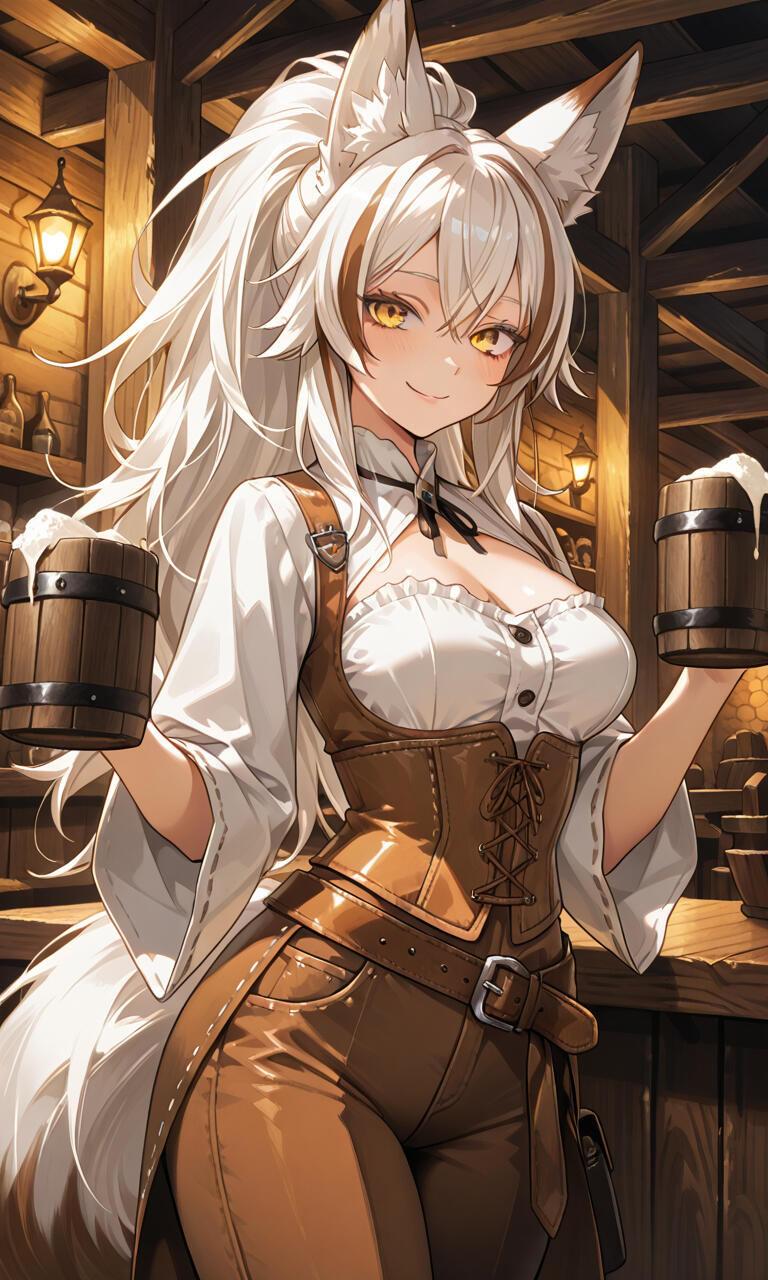
Franny and Amelia Tespin (shown above) are adopted sisters who have a unique relationship with one another. Though they are not blood sisters, they were raised together, they trained together in their youth, and share a deep bond.
Franny (left), the older sister, is brash and headstrong, as well as a peerless warrior. Despite being the stronger and more confident of the two, she adores her younger sister, and will go out of her way to protect the other.
Amelia (right), the younger sister, is quiet, careful, and while no less capable, tends to rely more on being quick and clever rather than on raw physical strength. Amelia aspires to Franny's level of confidence, idolizing her older sister's finesse and skill.
As a result of their years of growing up together and the absolute faith they put in one another, Franny and Amelia share a Tier 3 (Dear) connection, and can call upon their memories of one another to drawn strength.
For more detailed examples of suggested Bonds and other Aspects, check out this page.
Copyright 2025 A. B. Ravencourt. All Rights Reserved.
Expertise
Knowledge and experience are the most obvious forms of demonstrable growth that a person can exhibit. Dedicating time and effort towards learning something new is, in essence, a form of evolution unique to that person, and no one will ever have the exact same experience as someone else.
Expertise represents a form of experience, training, or understanding, and having a level of Expertise marks your character as learned enough about a particular topic to be able to speak of it or perform it with confidence. When a character has Expertise in something, it is assumed that they know at least something about it, and can apply that into practical use.
There are two types of Expertise:
Topics represent knowledge grounded in fact that is largely contemplative, educational, or based on memory, such as knowing something about a certain period of time or being able to deduce whose lineage a noble belongs to based on their genealogy.
Proficiencies represent the knowledge of how something is done or how it works, like how to take apart a pocket watch and then put it back together, or knowing which angle to swing a sword in order to parry the enemy’s strike.
Tier 1 (Novice)
This tier represents a basic comprehension of a topic or proficiency, and is equivalent to that of a beginner or a dabbler. It grants recollection and understanding of basic terms and concepts, or common maneuvers and practices. Someone who reads a book on physics might gain a basic understanding of things like gravity, force, and inertia, but likely not be able to make further use of it.
Tier 2 (Skilled)
This tier represents a more advanced level of knowledge than that of a beginner, but not quite outstanding, and is equivalent to that of a journeyman. It grants the ability to apply one’s knowledge into practical use, or to draw on it in order to solve new or foreign situations. An apprentice to a blacksmith likely knows how to make horseshoes and crowbars, but might lack the understanding of how to create swords and axes.
Tier 3 (Adept)
This tier represents a level of competency that is equal to or passable by one’s peers within a professional setting, and is equivalent to that of a professional. It grants the ability to analyze and evaluate the relationship of something and its constituent parts. An adept botanist might be able to understand that a plant is unable to grow in a certain location by analyzing the environment around it, then use that knowledge to either find a better location, or make the present location more suitable.
Tier 4 (Master)
This tier represents the height of understanding in a topic or a proficiency, and is usually either someone without equal, or one of only a few peers of their level. It grants the ability to theorize and create new concepts within the field of one’s expertise. A tea master would not only know the best way to prepare just about any tea known, but would be able to craft new methods of tea making, or prepare tea from odd, usual, or brand new ingredients.
Example
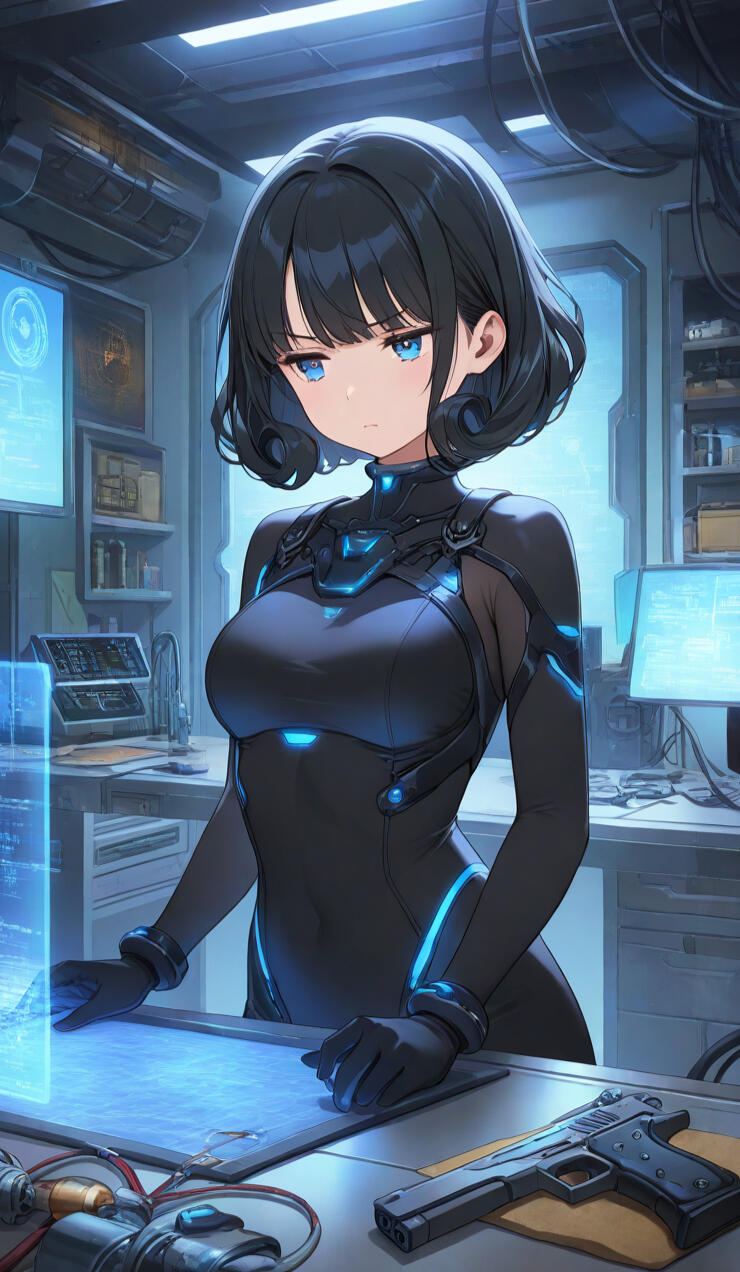
Brianna Mont'Cleyne (shown left) is a genius-level xenobiologist whose interest in the sciences and forwarding space exploration is second-to-none.
Thanks to her years of study, she has a number of high-level doctorates, making her a Master (Tier 4) of Biology, and Skilled (Tier 2) in Archeology and Anthropology.
To assist her in her research, Brianna relies heavily on technology, and has even gone so far as to replace parts of her own body for better efficiency. To do this, she had to acquire Adept-level (Tier 3) Robotics and Skilled (Tier 2) Computers.
However, Brianna's study in fringe science hasn't made her life easy, and thanks to a number of run-ins with the wrong kind of people, as well as more than a few life-threatening situations, she's learned to train her body in addition to her mind, making her a Skilled (Tier 2) Marksman with Novice-level (Tier 1) Agility.
For more detailed examples of suggested Expertise and other Aspects, check out this page.
Copyright 2025 A. B. Ravencourt. All Rights Reserved.
Triggers
Triggers are broad descriptions, instances or situations that affect the character's decision making, motivation, and experience of life. Personal triggers can have many different effects, like forcing your character to overcome certain debilitating effects, or rise above their normal level of capability. Personal triggers can change throughout play, generally as the character grows, overcomes their fears, develops new bonds, and so forth.
Triggers are special in that they can be both helpful, as well as a hinderance, to the characters they belong to. Whenever you act in a way that aligns with one of your Triggers, you gain a +1 bonus to the result of your Nature checks related to that action for every Tier you have in it.
However, acting in a way that is contrary to your Triggers is more difficult, and any time you do so, you must make a Mental Nature check, the Target Number being equal to 5 times Trigger's Tier. The Nature paired with this Mental check is given below in the Affinity listing.
Additionally, to heighten the difficulty of a task or challenge, the Storyteller can call upon one of your Triggers as a Complication, which not only prevents you from using it in Awakenings, but might also count against how many Awakenings you can perform.
Though Triggers also have four tiers, they simply iterate how much the Trigger impacts a character's life. What's more important for a Trigger is what category is falls under, which are presented below:
Fixation (Overcome)
Defines a primary or core goal, motivation, or obsession that a character has that they will stop at little to obtain, achieve, or set right. It could be something as simple as obtaining enough currency to afford something important to them, or as complex as proving themselves or their power to someone.
Ideal (Change)
Defines a personal philosophy or a character’s outlook on life. It is something that they believe is inherently ‘right’ or ‘wrong’, that they would go to great lengths to defend, uphold, prove or spread to others. It could be a personal motto, a church doctrine, a code of honor, or a set of ethics that they are loath to depart from.
Instinct (Learn)
Defines a type of behavior that is impressed upon a character as a result of prior adaption, preparation, or tutelage, or it could be a personal vow or promise against something. Instincts are typically implemented in order to resist the effects of something, such as being trained to act affable to customers, or resisting temptation.
Obligations (Avoid)
Defines something that a character is or feels bound to do, regardless of how they feel about it, such as represent an organization that employs them, protecting a family or individual that they owe a debt to, or giving a part of their income to an estranged parent, an ex-lover, or a member of a powerful crime syndicate.
Trauma (Overcome)
Defines something that a character fears, resents, or despises as a result of a connected happenstance. It could be a phobia that the character has always had, such as the fear of heights or a certain type of animal, a negative connotation that they were taught, or a lingering feelings attached to a past situation.
Example
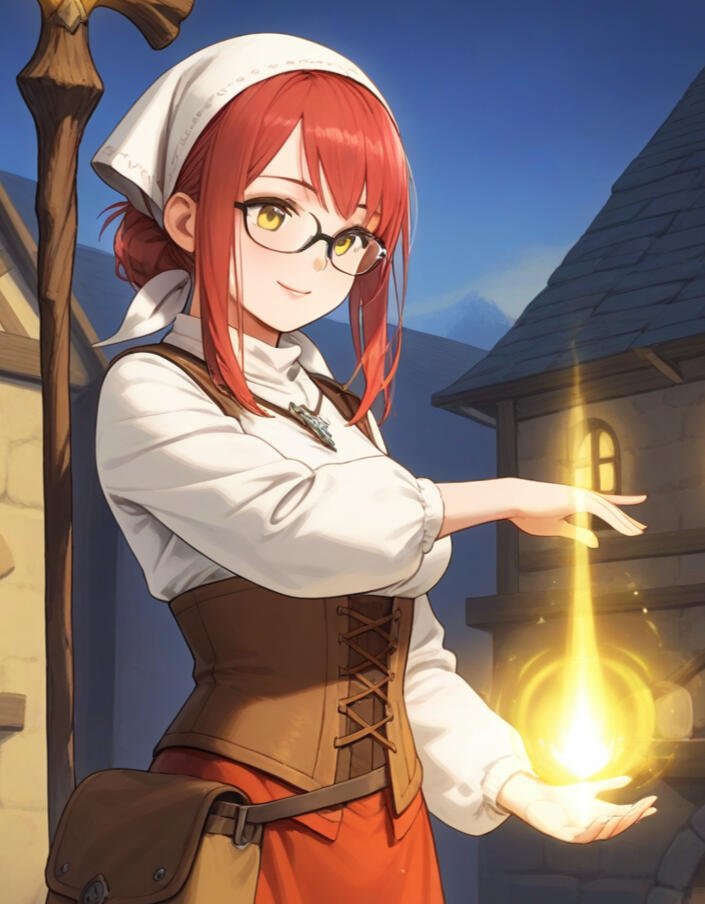
Petra Lockheart (left) is a budding young herbalist and healer. Altruistic, gentle, and friendly to everyone around her, its difficult to imagine any imperfections lurking beneath her sweet demeanor.
What you would never guess is that she actually suffers from a malady called 'the Shadow of Doubt', which makes people trust her less the longer they interact with her. This affliction manifests in the form of a Tier 3 Trauma due, as it regularly impacts her life
On the other hand, her compassionate soul manifests in the form of a powerful Tier 2 Ideal, and she has a keen Tier 2 Instinct to help those in trouble, balancing her out.
For more detailed examples of suggested Triggers and other Aspects, check out this page.
Copyright 2025 A. B. Ravencourt. All Rights Reserved.
Awakening
When a character is faced with a difficult challenge or task, they are called upon to a Nature check, as described previously. And while this may be sufficient for relatively easy for some situations, the certainty of success decreases as the complexity of the task increases. At some point, relying solely on one's Natures won't be enough.
In Fables & Foxtales, Awakening is the act of calling upon Aspects and other sources to empower your Nature checks, changing your fortunes and granting you increased odds in your endeavors. It allows players to become part of the narrative by relating the situations before them to their character, helping define how they solve their problems in a more meaningful way.
How to Use Awakenings
During play, whenever the Storyteller asks you to roll a Challenge (sometimes called a Nature Check), you may use Awakenings to give yourself an boost. To do so, you must invoke an Aspect that has some frame of reference by which you can draw upon it to add to the current narrative.
When you invoke an Aspect in this way you may choose to apply one of the three Awakening Effects (see right) to one of your two chosen Nature die.
Limitations
Though Awakening is something that is regularly available and its use is encouraged, it does come with certain costs and limitations. Namely, Awakening your Natures require a source from which to draw upon, and not just any will do.
In particular, Awakenings usually draw from your Aspects. However, you can't simply use any Aspect you want: it has to make sense to the situation that you're in or be related to task you're trying to complete, and you should be prepared to make a case as to how a particular Aspect you want to use is relevant.
For example, if you are rolling a Mental / Learn check to try and identify a faded script on a piece of wet paper, you could call upon an Expertise related to writing--like Calligraphy--to aid in that check. On the other hand, your Bond with your childhood friend is likely not to apply, unless they're the person that wrote it.
The Storyteller has the final say as to whether or not a particular Aspect can be used in a given situation, though in some cases, the group, as a whole, can vote on the issue as well.
Moreover, you can only draw on a particular Aspect for as many times per Scene (see Passages of Time) that you have Tier levels. So if you're in combat and you have Tier 3 Swordsmanship, you can only use it three times, and thus you may want to be judicial about when or how often you use it.
Other Sources
Though Aspects serve as the primary source from which you can draw to Awaken your Natures, they aren't the only possible sources. However, be warned: using other sources often carries a more significant, and often permanent cost.
The following are other possible sources you can use to Awaken Natures:
Equipment: In some cases, equipment can be used as a source to invoke an Awakening. However, unless otherwise stated, doing so often reduces the Durability of the item in question. See the Equipment and Items section for rules on Durability.
Special Arts: Some Special Arts convey the ability to Awaken Natures. Doing so, however, tends to induce certain negative Conditions. In addition, some Arts can also be Awakened in the same way as Natures!
Mood (Optional Rules): If you are using the optional Moods rules and you are currently under the effects of a Mood (either positive or negative), you can catalyze it to Awaken your Natures, expending the Mood. Watch out, however, as most Moods carry a drawback that goes into effect if used to Awaken.
Take a Hit: In a pinch, you can take a single Hit (see the Core Mechanics section) in order to Awaken a Nature. This is seen as a last-ditch effort, however, and it is not recommended that you use it too often.
Assistance: In some situations, another player character or NPC might be able to lend you some of their power to help you succeed, though this usually costs either their action during that round, or a use of their own Aspects during that Scene.
Awakening Effects
There are 3 types of Awakening Effects, each of which can be applied to one of the two Natures rolled during a Nature check.
Blooming
Blooming represents a moment in which someone throws caution to the wind and seizes their hope, turning it into potential. They then use that potential to push through difficult situations. Depending on the person or the scenario, Blooming can represent a moment of clarity, or the fire of passion.
When you choose to apply Bloom to a Nature through an Awakening, you may reroll that Nature die once and take the better. You may apply Bloom once per Nature in a single Challenge.
Honing
Honing represents narrowing your character's focus and clearing their mind of all thoughts, save for what they are attempting to do. This may manifest in the form of a meditative state, deep concentration, or freeing oneself of hesitation.
When you choose to Hone your Natures through an Awakening, roll a d20 'Hone' die alongside your Nature check. Take the higher of the two results, up to the maximum combined Nature result.
This means that if your Hone die results in a 12 while your Nature check results in an 8, you take the former, up to the maximum you could roll with a base Nature check.
Flourish
A Flourish represents a sudden burst of proficiency--a moment in which you are at peak performance. This manifests either thanks to your incredible skill, or perhaps simply your incredible luck.
When Awaken your Nature to Flourish, choose one of your Natures. That Nature's die face is increased by one step (d4 to d6, d6 to d8, d8 to d10) for the duration of the attempt.
You can Flourish twice per roll attempt, however you can only apply it to each Nature once. In this way, however, a die cannot be raised beyond a d10.

Copyright 2025 A. B. Ravencourt. All Rights Reserved.
Goals
In Fables & Foxtales, there are no 'levels' or 'experience points' like you might find in the typical TTRPG setup. However, that does not mean characters never progress. Rather, the system puts character progression in the hands of the players by allowing them to set and complete Goals that directly relate to the things that their characters want to accomplish.
Goals are similar to that of a 'quest log' for your character, showing the things that are important for them. You can set goals to do any number of things, such as raising Aspect tiers, gaining Special Arts, overcoming a particularly bad Condition or changing a difficult Mood, or even shifting Natures or Aspects around!
In addition, there are also Story Goals that focus on pushing the primary storyline of the game, and aesthetic goals to help keep the atmosphere on the right track for everyone.
Players are heavily encouraged to work with your Storyteller--as well as the other players in the group--to develop good goals for your characters and the game as a whole!
There are two types of Goals:
Story Goals are those that are assigned by the Storyteller, and dictate what needs to be done to advance the plot or adhere to the game's thematic or atmosphere. Story Goals offer the most flexible rewards, and are often worth more than Character Goals.
A Character Goal is one that is set by the player (working with the Storyteller), usually as a form of character development, recovery, resource acquisition, and general growth. Character Goals are generally smaller in scope, and usually focus on obtaining one or a few specific things.

Advice for Creating Goals
Goals are the lifeblood of character development; however, they, like many of the 'rules' of F&F, are largely meant to be flexible and interpretive. As such, it can be easy to fall prey to unnecessary complexity when it comes to defining goals themselves.
What constitutes a goal? How in-depth should it be? Can anything be a goal?
In short: it depends! Goals are amorphous things, and there is no such thing as a mechanically 'incorrect' goal as long as it has three parts: something sought or wanted, a method for obtaining it, and a potential consequence for failure. This means that a Goal can be fundamentally anything where your character gains some benefit from success.
However, its best to keep things relatively simple, which is why the best advice is to keep the scope of things fairly low, or have one over-arching goal and several goals to meet it.
For example, say your character wants to open a tavern. This is a fairly broad goal, because it requires a lot of different things before it can happen. They'll need funding, a plot, supplies, and staff. This is a good example of an over-arching goal, with various sub-goals that need to be accomplished first in order to obtain the final prize: your very own tavern!
Deciding on Objectives
Every good Goal needs at least one or a few Objectives that define what a character has to do in order to achieve it. However, Goal Objectives, too, are interpretive, and may be open-ended. A Goal should have one or more of a few basic requirements, such as:
One or a few challenges, usually in the form of Nature checks, with consistently increasing stakes.
An expenditure of effort, wherein the character must make some choices to show knowledge, understanding, or preference.
An expenditure of time, commensurate to the reward to be gained.
An expenditure of resources, like payment for tools, tutelage, or some other need.
A Goal's objectives are usually measurable by the reward being given. The more significant the reward, the more difficult the Objectives should be. For instance, if you're gaining a new Aspect for the first time, its probably fairly easy, you just need to devote a little time or attention to them, and maybe satisfy one or two check. Someone who wants to learn smithing might set a goal to create 3 new, but relatively simple items.
On the other hand, advancing that Aspect to high Tiers should reasonably require cumulatively more time, effort and resources. A blacksmith who wishes to hone their craft, for instance, might need to receive tutelage from a master, locate and study ancient tomes on the art, and/or craft an artifact of a specific quality!
Determining Rewards
The purpose of setting Goals is to ultimately achieve the promised reward. So what makes a good reward? How do you measure the worth of the reward by the goal itself?
The following are the most common, but not necessarily the only, rewards you can assign to Goals:
Gain a new Aspect or increase your Affinity to an existing Aspect.
Gain a new Special Art, or add a new Rule to an existing Art.
Obtain a particular (usually rare) thing or item, or repair an item that has lost its durability and requires a special method of restoration.
Recover after taking a Hit to one of your Natures, or relieve a long-term Condition.
Show character development by redistributing Nature Aptitudes or Aspect Affinities.
Alternatively, it's also possible to set a Goal with no particular reward in mind, and have the Storyteller (or the rest of the group) define what sort of reward you receive after completing it.
Failing to Achieve Goals
So what happens when you fail a Goal? Can you fail? The answer is: yes. As to what happens as a result of failing, that depends on the Goal itself.
In some cases, failing a Goal might not have any consequences at all beyond those that one might sustain from failing a check. If the goal was largely inconsequential, then it makes sense that simply failing isn't going to affect them.
On the other hand, if the goal was important, or if your character is the type of person that gets bent out of shape when they fail to do something, it would make sense to have your character suffer a setback, like taking a 'Hit' or imposing a Condition.
Alternatively, failing Story Goals could have much greater consequences. If the characters fail to beat the BBEG, for instance, maybe something bad happens to their favorite town, or someone close to them dies as a result of the BBEG's takeover.
As such, consider tailoring failures to the situation, and the type of goal being pursued.
Taking on Goals with Help
In some cases, Goals might be a little too big for your character to tackle on their own. On the other hand, maybe there is a Goal you want to achieve together, as a party. Maybe you want to construct a secret headquarters together, or all go in on a particular venture. Or maybe a Story Goal has multiple Objectives in different directions, and while you could take them on one-by-one, it might be faster and more efficient to delegate each objective to one or a few people instead.
In this way, the Goal can be completed simultaneously, using each participant's strength. This also promotes teamwork and camaraderie between players and characters, as well as serves as an avenue to advancing Bonds and other Aspects!
Alternatively, more than one participant can aid in completing Goal challenges, usually in the form of serving as a source for Awakening (see Other Sources in the Awakenings section).
Copyright 2025 A. B. Ravencourt. All Rights Reserved.
Story Goals
Story Goals are those that are assigned by the Storyteller, and dictate what needs to be done to advance the plot or adhere to the game's thematic or atmosphere. Story Goals offer the most flexible rewards, and are often worth more than Character Goals.
Story Goals might include:
Milestones
A milestone is an important objective or quest which represents something that the characters need to accomplish next to advance the main plot or story. They are directly defined by the Storyteller, and all party members presumably have the same Milestone Goal at any given time.
Milestone Goals can be vague, clear cut, or even secreted from the players, and are often sequential, with one Milestone Goal leading into another when complete. You can think of them as 'story arcs' or 'acts'. They are not, however, simply a placeholder for 'the story' in general, and players should expect to accomplish several Milestone goals over the course of t game.
In some cases, the Storyteller might offer extra incentives by adding optional, 'extra' goals that increase or add to the rewards.
Chapter
Where a Milestone goals are typically broad and sweeping, with very little detail about how they might be accomplished, Chapter goals are more precise and to the point.
Chapter goals can either stand alone and serve as 'side quests', or they might serve as objectives within the purview of a larger Milestone goal. Alternatively, they might be used for time-sensitive challenges, one-off scenarios, or 'bonus' challenges that can be accomplished at the players' leisure--or not!
Aesthetic
In certain stories or plots that focus on preserving stylistic elements or where the genre is particularly important, the game may have Aesthetic goals. These goals set the precedent for the game's atmosphere, and helps keep the game within a pre-established thematic.
Unlike other Story Goals, Aesthetic Goals are set from the onset of the game, and rarely change. Or if they do change, it may due to a tonal shift in the storytelling.
PC's can complete Aesthetic Goals simply by going out of their way to maintain the narrative atmosphere. For example, if a party is playing a Slice-of-Life game, a PC might complete an Aesthetic Goal by involving themselves in a classic trope of the genre.
As mentioned above, the Aesthetic Goals are typically defined by the group (ie: the PCs and the Storyteller, together), and it is the group that decides when someone does something is worthy of being rewarded for, and how significant the reward should be. Aesthetic Goals should be broad and interpretive, but specific enough to relate to things that the group wants to see in the game.
Copyright 2025 A. B. Ravencourt. All Rights Reserved.
Character Goals
A Character Goal is one that is set by the player (working with the Storyteller), usually as a form of character development, recovery, resource acquisition, and general growth. Character Goals are generally smaller in scope, and usually focus on obtaining one or a few specific things.
Development
A Development Goal is a player-assigned goal that represents something that they want their character to grow towards. Development Goals typically revolve around fairly straightforward motives or objectives, like wanting to increase the Tier ranking of an Aspect or obtaining a new one, obtaining something of personal value, or maybe even learning a new Special Art.
On the other hand, players may decide they want to shift Affinity values from one Aspect to another, or maybe change their Natures.
Suppose, for example, that a character develops a Fear of Heights (a Trauma-based Trigger). However, in order for them to proceed on their quest, the character has to pass through a mountain range.
This presents a significant hurdle, as the Storyteller can regularly use this Trigger to impose difficulties on thier rolls while on the journey. To overcome this hurdle, they decide to set a Development Goal, the reward being that they lose 1 Affinity Tier of Fear of Heights and convert it to a new Aspect, Courageous.
This creates not only point of personal growth for the character, but also a story memory that everyone can look back on and appreciate as part of their experience!

Conditional
A Conditional Goal is one that is typically focused on the recovery of something lost, such as Nature Aptitudes lost by taking Hits, the durability of items, or relieving a character of a negative Condition.
Conditional Goals are usually very straightforward, obvious, and relatively easy to achieve, provided that the player and their character are willing to put in a little time and effort to make it happen.
For example, a party of heroes goes on a quest to slay monsters. They are successful, but two of their members sustained wounds, which are manifested as Hits to their Physical Natures.
They set Conditional Goals to recover those Natures, and the Storyteller decides they have two choices. Either they can find a healing potion to instantly cure one Hit, or they have to rest. If they spend all day doing nothing but resting, they heal 1 Hit per day.
Alternatively, if they want to continue to be active, they can, but it will take twice as long and they automatically fail this goal if they fail a Physical nature check with a difficulty of 6 or higher.
This encourages the PCs to take it easy, but still gives them the option to wander around town, go shopping, and do other sorts of downtime activities without having to use up valuable supplies!
Fundamental
Just like a story can lean towards a certain aesthetic, characters, too, can have an overarching theme that is a core development point of their concept. Think of this as the 'elevator pitch' for your character: a concept around which your entire character revolves, the reason that you play them.
A Fundamental goal represents a baseline need by the player, but for the character. It might be something related to their backstory, personality, or some other form of development, with one key exception: Fundamental goals can deeply affect or impact your character.
For example, Amelia Tespin (left) has always looked up to her elder sisters, who are both strong, independent young women and powerful warriors in their own right. While she could just as easily have a number of Development or Conditional goals to represent the gaps between herself and her elder siblings, the core of the matter has little to do with her skill level, and instead everything to do with the character's own lack of identity.
In this case, Amelia's player decides that her Aesthetic Goal is to overcome her feelings of inadequacy and grow into her own individual person--someone that admires her sisters, but ultimately has her own sense of sense and personal confidence.
Like many other goals, Fundamental goals are meant to lead into one another as character growth happens. For instance, let's say Amelia achieves her Fundamental goal and develops her own sense of self that is distinct from her sisters: now what? Where does she go from there? How did it change who she is? And what next great change awaits her in the future?
Copyright 2025 A. B. Ravencourt. All Rights Reserved.
Passages of Time
In Fables & Foxtales, you'll regularly encounter terms that denote lengths of in-game time. They are:
Rounds
The shortest span of time, rounds typically represent 1 to 10 seconds within the world. This term is most commonly used during a scenario or event where multiple actions take place in rapid succession, such as a combat encounter, a chase scene, or similar situations.
In most cases, characters can perform one action per round, and multiple characters involved in the same scene usually take turns stating their actions.
Scenes
Encompasses a period of time which is defined by characters being present within a localized area or a limited set of actions or dialogue. A scene may be long or short, but typically ends when the location changes or characters conclude their actions and move on to something new.
Rounds usually take place during a Scene, and several game mechanics, particularly Aspects and Awakenings, refresh after a Scene is concluded.
Chapters
A general term that refers to a number of Scenes, either related in purpose or chronologically following one another. Chapters usually revolve around major plot milestones or objectives. Short Chapters are often called ‘Episodes’, while longer ones are usually known as ‘Arcs’.
A Chapter can denote any amount of time, and usually end with the completion of the Chapter Goal(s), which are largely up to the Storyteller's discretion.

Intermission
A span of time in which actions are performed and lives are lived beyond the narrative, an intermission generally constitutes a sort of time skip, where the players' characters are assumed to be otherwise engaged or busy. The Storyteller generally sets the period of time for an Intermission.
Copyright 2025 A. B. Ravencourt. All Rights Reserved.
Common Rules
Challenges
A 'Challenge' is an instance where your character must act in a way that puts some amount of strain upon them, or falls outside their 'usual' purview of action.
Challenges are sometimes referred to as a Nature check. During a Challenge, choose one nature from each of the two categories (Mental, Physical and Social make up the Source category, and Avoid, Change, Learn and Overcome make up the Response category), roll each, and compare them to the challenge value to determine if the attempt was a success.
| Value | Description |
|---|---|
| 2 - 4 | A menial task. Does not need to be rolled barring some severe disadvantage. |
| 5 - 6 | An easy task for an adventurer or a modest challenge for a regular person. |
| 7 - 10 | A common task, one representing a modest challenge for an adventurer, or a significant challenge for a normal person. |
| 11 - 14 | A difficult task for an adventurer that regular people would very seriously struggle to complete, or might otherwise be physically dangerous. |
| 15 - 16 | An exceptional task that would strain even a veteran adventurer. Likely beyond the capabilities of normal people. |
| 17 - 19 | A monumental task that would significantly challenge for all but those who are specifically trained for the task or those willing to push beyond normal limits. |
| 20+ | A task of legendary proportions, it would take a miracle to achieve this. |
Taking Hits
When you fail a Challenge (or Nature) check for any reason, the result is that you take what is called a 'Hit' to the Source nature that was used in the roll. This means if you roll AvP (Avoid / Physical) and fail to meet or exceed the Challenge Value set by the Storyteller, your Physical Nature takes a 'Hit'
When you take a 'Hit' to your Natures, you reduce the die face by one step. Hits persist through Rounds, Scenes and Chapters, but are automatically healed during Intermissions.
Alternatively, players can recover from Hits faster by setting Conditional Goals (see Recovering).
Hits stack, meaning that die faces can be reduced all the way to a d4. If a Nature is already at a d4 when a Hit is taken, the PC succumbs to the 'damage', and must choose one of the options on the table below:
| Intensity | Description |
|---|---|
| Shake It Off | You don't feel great about it, but are able to shake off what happened and move on. Your Nature is reduced to a d2. If you have already taken this result, you cannot choose it again until it has been recovered. |
| Moderate Trauma | Your character feels mentally or physically unwell after the experience. The character is afflicted by a negative Condition (see Conditions below). |
| Lasting Trauma | This will haunt your character for a while after it has happened. Add an Aspect to your character related to the situation that negatively affects them, or increase the Tier of an existing negative Aspect. |
| Ending (Optional) | If the player so chooses, and the game aesthetic allows for such a thing, they can choose to have their character die, flee, or otherwise 'leave the game' as a result of their failure. |
Conditions
When you take a Hit, it represents a blow, either in a physical, mental, or social capacity. In this way, you receive a penalty to your Natures, but one that is relatively short-term and fairly easy to recover from.
A Condition, on the other hand, represents a more long-term ailment, and one that directly interferes with a PC's every-day life, and persist until recovered (see Recovery below).
Some examples of Conditions might be:
| Condition | Description |
|---|---|
| Broken Arm | While under this Condition, Physical checks that require the use of one arm have +2 CV, and double for checks that require the use of two arms. |
| Anxiety | While under this Condition, you must succeed a OvM check to perform actions towards, confront, or otherwise interact with the cause of your fear or things relating to that cause. |
| Loss of Face | While under this Condition, you cannot Awaken your Social Nature except in circumstances where you are attempting to recover from your embarrassment. |
Conditions are usually defined by the Storyteller and tailored to the event which caused it, or in some cases may be personally imposed or suggested.
Recovery
Recovering from adverse effects, like Hits or Conditions, requires setting and completing Conditional Goals specific to that ailment. The nature of the ailment itself defines the objectives of said goals.
A Condition or Hit that affects the Physical nature, for instance, like an illness or an injury, might require visiting a physician, procuring medicine, or perhaps it just needs a certain amount of rest.
On the other hand, something that affects the Social nature might require a character to recover on a Social level, like confronting aggressors or overcoming a personal sense of inadequacy.
Alternatively, items, interactions, and other effects might serve as a way to relieve effects, like a health potion that instantly restores the lost Hit, or a potion of disease curing to combat an illness, while perhaps increasing a Bond with a friend might be sufficient in fulfilling Goal set around healing from a Social misstep.
As such, what objectives or steps needed to accomplish said Goals are largely up to the Storyteller, the player in question, as well as the ideas of others at the table.
Scenarios
While some tasks may be as simple as simply rolling a few Nature Challenges, others might be considered more long-term, to the point where a lot of small things must come together to accomplish a greater whole. These groupings of Challenges and actions are referred to as Scenarios.
Each Scenario has a target number between 1 and 10, which represents the needed number of successful Challenges that need to be cleared before the task is complete. As such, they do not necessarily need to be sequential, but the success of individual Challenges might influence the difficulty of others.
When a participant in a Scenario fails a Challenge, all subsequent CVs in that Scenario increase by 1. If at any point the CV of any of the challenges exceeds 20, the Scenario fails.
On the other hand, succeeding a CV by 5 or more, the CVs of subsequent Challenges is reduced by 1, to a minimum of 1/2 of the original CV. If the CV is ever reduced below 3, the Scenario is automatically won.
Scenarios can also be 'won' or 'lost' a number of other ways, as decided upon by the Storyteller. Some examples might include one party's inability to continue, the Round limit for the Scenario expires, or perhaps the due to the results of a Calamity (see below).
Examples of Scenarios may include:
Combat Engagement: Certain combat situations, particularly duels or dealing with particularly powerful or significant adversaries, might be better satisfied with a Combat Engagement Scenario.
Item Crafting: Though run-of-the-mill items are likely easy to complete, crafting something important, rare, or even unique would be a better candidate for a Crafting Scenario.
Long Journeys: Though run-of-the-mill items are likely easy to complete, crafting something important, rare, or even unique would be a better candidate for a Crafting Scenario.
Chases / Running Scenes: Situations where characters must regularly succeed checks to escape from something or somewhere, particularly if there are various impediments standing in their way.
Complex Puzzle: In the case of puzzles, traps, and similar impediments, the more complexity, or the more steps required to solve or disarm it, the more likely it makes sense to be a Puzzle Scenario.
For a more detailed explanation of Scenarios and examples, visit this page.
Copyright 2025 A. B. Ravencourt. All Rights Reserved.
Equipment
In Fables & Foxtales, meticulous inventory management is eschewed. Players are generally assumed to possess items relevant to their character's background and narrative, and focuses instead on tracking items that are either crucial to Goals or are significant pieces of Equipment.
A character's Equipment transcends mere inventory; it's a repository of memories, imbued with personal significance. It isn't just about the objects themselves, but the stories they hold and the meaning imposed on it by the one who holds it. A dagger is just a tool, but your first dagger—a gift from your master, the blade that vanquished your greatest foe—is a tangible piece of your journey, a symbol of your growth and triumphs.

Item Sizes
The Size of an item designates a general, simplistic version of either how heavy it is, or how unruly it is to carry. The larger an item's Size, the fewer you can keep on your person, though it doesn't necessarily account for all feasibility.
Item sizes are classified as follows:
Size 0: Items that considered 'equipped' or are otherwise part of a character's normal burden, like their clothing, primary weapon, and things that they constantly keep on themselves are considered Size 0, and comprise no weight. Character can have no more than four Size 0 items.
Size 1: Items that are smaller than or fit into the palm of one's hand, or are under five pounds (or 2kg), are considered Size 1.
Size 2: Items that are the length of a forearm, or weigh more than five pounds, but less than twenty pounds (9kg) are considered Size 2.
Size 3: Items that are waist or torso high, or items that are more than twenty pounds and less than fifty pounds (20kg) are considered Size 3.
Size 4: Items that are larger than a person, or those that weigh more than fifty pounds are considered Size 4.
In this case, 'Size' is equivalent to how much of your character's carrying capacity it takes up. A character's base carrying capacity is equal to twice their Physical Nature die, with a maximum of 20 capacity without any additional benefits.
Additionally, carrying capacity can be increased by means of having certain Aspects, benefiting from magic and similar abilities, or through the use of items that help store other items or redistribute the weight. A simple purse or rucksack, for instance, might only take up a Size 1 slot, but expand total carrying capacity by 3 or 5.
Durability
All items, regardless of what they're used for, have a Durability factor which denotes its usability. An item doesn't necessarily perish when its Durability falls to 0, but it can no longer serve as a source for Awakening Natures or serve in any other capacity, such as a prerequisite for enacting Special Arts.
All items fall into one of the following four classifications:
Durability 1 (Fragile): Items that are easily breakable, like items made of glass, paper, fabric, and other light materials are considered Fragile.
Durability 2 (Firm): Items that have some resilience, but are still easily breakable with the right amount of force, like materials made from leathers, wood, or stone, are considered Firm.
Durability 3 (Sturdy): Items that are strong, but can still be broken by particularly powerful mundane means, like things made from metals and alloys, are considered Sturdy.
Durability 4: Items that are magically enhanced, either by use of protective spells or by the incorporation of special, rare materials are considered Spellbound.
Items can lose Durability a variety of ways, including, but not limited to, failing a Nature check that was Awakened by that item or when the item itself is targeted or takes damage of some kind.
Restoring lost Durability to an item requires a Conditional Goal specific to that item, and usually requires an expenditure of resources, such as money and/or materials.
Cost
Though how currency works and the exact price determinations are left up to the Storyteller's discretion, the following represents an average formula for determining the value of an item.
The simplest of items, or every day things are considered 'free', and are part of a character's lifestyle expenses. This might include basic supplies that they use for their craft, like flour for a baker or nails for a carpenter, and are things they are expected to have a reasonable amount of at any given time.
Beyond such items, determining the value of an item is as simple as adding the sum total of their Size and Durability, giving you its 'Value'. For instance, a backpack (Size 2) made of leather (Durability 2) would have a Value of 4, which might equate to four gold coins, forty dollars, or 4,000 yen, while a longsword (Size 2) made of mythril (Durability 4) would have a Value of 6, which would be a significantly larger purchase.
Additionally, the Storyteller can impose a Rarity modifier to certain items, materials, or products to represent how difficult it is to find or procure. If magic is incredibly rare, for instance, magical potions and equipment might have a x2 Rarity modifier, in which case you would add the base Value and then add the modifier.
Repairing an item or replacing a portion often requires an expenditure of money. In this case, this is usually equal to 1/4 or 1/2 the base Value of the item, depending on availability of materials or whether or not the item is repaired by the PC themselves, someone else, and so forth.
To determine the Value of an Artifact (see right), multiple the item's base Value by its Power Level. Repairing an Artifact usually requires 1/2 the base Value of the item itself as usual, but may require someone with significant skill to perform.
Artifacts
An Artifact (or sometimes Artefact) is a special item that has extraordinary abilities, be they garnered through magic, divine power, or some other conceptual, irregular source. In addition to Size and Durability, Artifacts also have Power Levels to help classify them.
Power Levels are categorized as follows:
Level 1: An Artifact classified as Level 1 can affect only one person or a small area around the user. Artifacts of this classification typically give minor benefits that are inferior, obsolete, or are otherwise fairly simple.
Level 2: Artifacts classified as Level 2 can affect an area about the size of a building or a handful of recipients or targets. Level 2 Artifacts rival fundamental supernatural concepts, like common magic, but can have a layer of complexity only slightly inferior to Special Arts.
Level 3: An Artifact that is classified as Level 3 has much more far-reaching effects, about the size of a small town or several city blocks, or a small population of people. Level 3 Artifacts tend to be comparable to Special Arts or mid-to-high level spellcasting abilities.
Level 4: An Artifact that is classified as Level 4 is an epic artifact, one that can affect entire cities or stretches of land, or perhaps an army or large population. Level 4 Artifacts represent the pinnacle of powerful items that can be made through mortal means, and might rival that of the highest level spellcasting.
Ascended Artifacts: Artifacts that are classified beyond Level 4 are considered 'world-tier' items, and are things that can affect entire chunks of the realm, from regions, to nations, to continents, or perhaps even the whole of the planet and everyone in it. Such Artifacts are mythical and only spoken of in ancient legends, or might be the divine arms of a god or terrestrial guardian. They may even themselves be sentient creatures.
A PC can possess any number of Artifacts, but can only 'equip', bond with, or otherwise use a total Power Level equal to their Mental Nature die.
Tracking Other Inventory
As mentioned before, players rarely need to track most of their inventory. Provided it makes sense for you to have something--like a tool that you use for a job or an object that you would reasonably expect to use in your daily life--you simply have it, within reason.
However, in certain circumstances, it might be a good idea to track some things depending on how often they're used, how big they are, or how relevant they are either to your character or to your situation.
A dungeon delver might track things like their weapons, maps, and keepsakes, but not mirrors they use to look around corridors, bags of sand they use to fool pressure traps, or rocks they use to distract enemies. These things might still be a good idea to note or remember, but Size and Durability are often irrelevant.
Additionally larger, bulkier items should also be tracked, especially if it can weigh characters down or make it difficult to fit into smaller spaces. A ten-foot ladder, for instance, or a gigantic oversized satchel are pretty large and could easily interfere with your work.
Similarly, items that you carry a lot of and regularly use, like ammunition need not be tracked individually, unless they have special properties beyond the normal version. An archer might not track how many arrows they have, or might instead track their quiver, or only magical arrows they keep on them.
Beyond What You Can Carry
Sometimes, you might find yourself in a position to garner something more than just something you can carry or squirrel away. In such a case, these items might still have a Size, Durability, Value, and/or Power Level, but might be tracked separately from your own personal inventory.
The following are a few examples of rewards you might acquire that don't fit the normal concept of Equipment:
Coin & Currency: While in some cases it may be prudent to track the weight of your currencies, like if you're coming back from a dungeon with a dragon's horde stuffed into barrels and chests, spending money itself is something that should only be tracked in terms of how much you have on-hand. It may even be best to track your currency in the form of their equivalent value, if not only to make things simple and easy to deal with.
Pets, Familiars, Mounts & Beasts of Burden: Generally speaking, while you can 'own' a horse, or maybe you have a pet ferret, these creatures are living things, and are themselves considered separate from your character. They have their own carrying capacity, intelligence, Natures, Aspects, and so forth. Even if they are subservient to you or benefit you, they are typically considered a different entity, and unless perched on your shoulder or clinging to you back, generally do not interfere with your own carry capacity and similar considerations. Additionally, their Value is generally 3x their base Value, including all factors.
Vehicles, Vessels & Crafts: Inanimate objects such as these can owned, and may accompany you, be a source of storage, or otherwise benefit you in their functions but are themselves considered separate. Unlike pets and mounts, vehicles typically do not have Natures or Aspects, but may have Special Arts related to their function, or can themselves be used to Awaken Natures. The value of such items are generally 5x their base Value, including all factors.
Houses, Structures, Land, Etc. In some cases, you may find yourself as the owner of a home, a swath of land, or maybe even a castle or a dungeon. In such cases, locations are not considered Equipment or part of your inventory, but may have their own capacity for items or emplacements within them, and are tracked separately from your character.
Deeds. Memberships, Letters of Marque, Etc.: Some things that you have may not even be material objects, or may be so important that they have a value beyond what is considered 'normal'. This might include special permission to hunt on a noble's land, an item that signifies your rank as a high level adventurer, or perhaps a promise of aid by a local lord who is indebted to you. The value of these things are considered priceless, and significant only to you, and thus though they maybe extremely valuable, you're not likely to sell them easily or through normal means. Items such as these need not be tracked in terms of size, durability or value, but should still be noted regardless.

Copyright 2025 A. B. Ravencourt. All Rights Reserved.
Special Arts
The Scope
The first facet of a Special Art is called the 'Scope', which might be thought of as its 'level', but not in the sense of its intensity. Rather, an Art's strength is derived not from its raw power, but rather from its complexity, malleability, and its capacity to be manipulated.
Scope is broken down into four Tiers:
Tier 1 (Precise): Straight-forward, with limited scope and a clear purpose. Easy to learn and master, but difficult to adapt.
Tier 2 (Adaptive): Adaptable, with effects that change depending on the situation. Allows for flexibility and creative applications.
Tier 3 (Synergistic): Involves the act of combining multiple effects, manipulating the environment, but require careful planning and execution.
Tier 4 (Transcendant): A concept that defies or redefines the laws of reality. More difficult to predict, but very malleable and customizable.
Concepts
At the heart of each Special Art are its Concepts. These are concise, 12-word phrases that clearly define the Art's capabilities. A Special Art has a number of Concepts equal to its Tier rank, and each must be balanced by a Prerequisite.
Note that when designing Special Arts, each Concept must be a complete, meaningful, and grammatically correct sentence, not just a collection of words or loose clauses.
Prerequisites
A Prerequisite is a hard, passive requirement that must be met to obtain and/or use that particular Special Art, and are set during the Art's initial creation. Prerequisites serve as counterbalances to Concepts.
Some general examples of acceptable Prerequisites might include:
Nature Aptitude: In some cases, a Special Art may require that a character have a certain Aptitude of a particular Nature.
Aspect Affinity: One of the more common prerequisites, some Special Arts require a certain Affinity Tier with one or more Aspect.
Awakening: An Art with this prerequisite can only be used in exchange for expending an Awakening charge.
Artifacts: In some cases, possessing a particular Artifact might temporarily or permanently convey an Special Art.
Catalyst: Perhaps your Special Art must be activated as a result of some sort of effort, like making a Challenge check, an expenditure of a limited resource, or as the result of a roleplaying prompt like being forced to make a special pose, say a lengthy chant, or drawing a magic circle in the air.
Special Circumstances: Some Special Arts might only be activated in the presence of someone special, or when the PC is under the effects of a Condition or Mood. If you want to be really dramatic, perhaps the only time you can use your Special Art is when you've taken a certain number of Hits.
However, its worth noting that should the PC wielder lose access to that prerequisite, either temporarily or permanently, they could feasibly lose some or all functions of the Special Art in question.
Capabilities
While one way to advance a Special Art might be to increase its Scope, a more likely way is to add new Capabilities, which are 10-word clauses that change some aspect or parameter of the Art's Concepts. Like Concepts, Capabilities must form a complete phrase in order to be valid.
There are two types of Capabilities:
Passive Capabilities: Always active, so long as the user meets the prerequisites set by the Special Art. An aura of power, an enhancement bonus to an Aspect, or some other consistent benefit are examples of Passive Capabilities. Once activated, a Passive Capability remains in effect until the end of a Chapter, an Intermission, or when certain Conditions are applied.
Active Capability: A capability that the user must activate to use, such as by making a Nature check and using a specific Aspect to Awaken it. Conjuring a magical spell, manipulating an environment, or harnessing the elements themselves are good examples of Active Capabilities. Additionally, as the category's name suggests, Active Capabilities must be activated with each use.
For every two Capabilities a Special Art has, however, it gains an additional Prerequisite.
Example
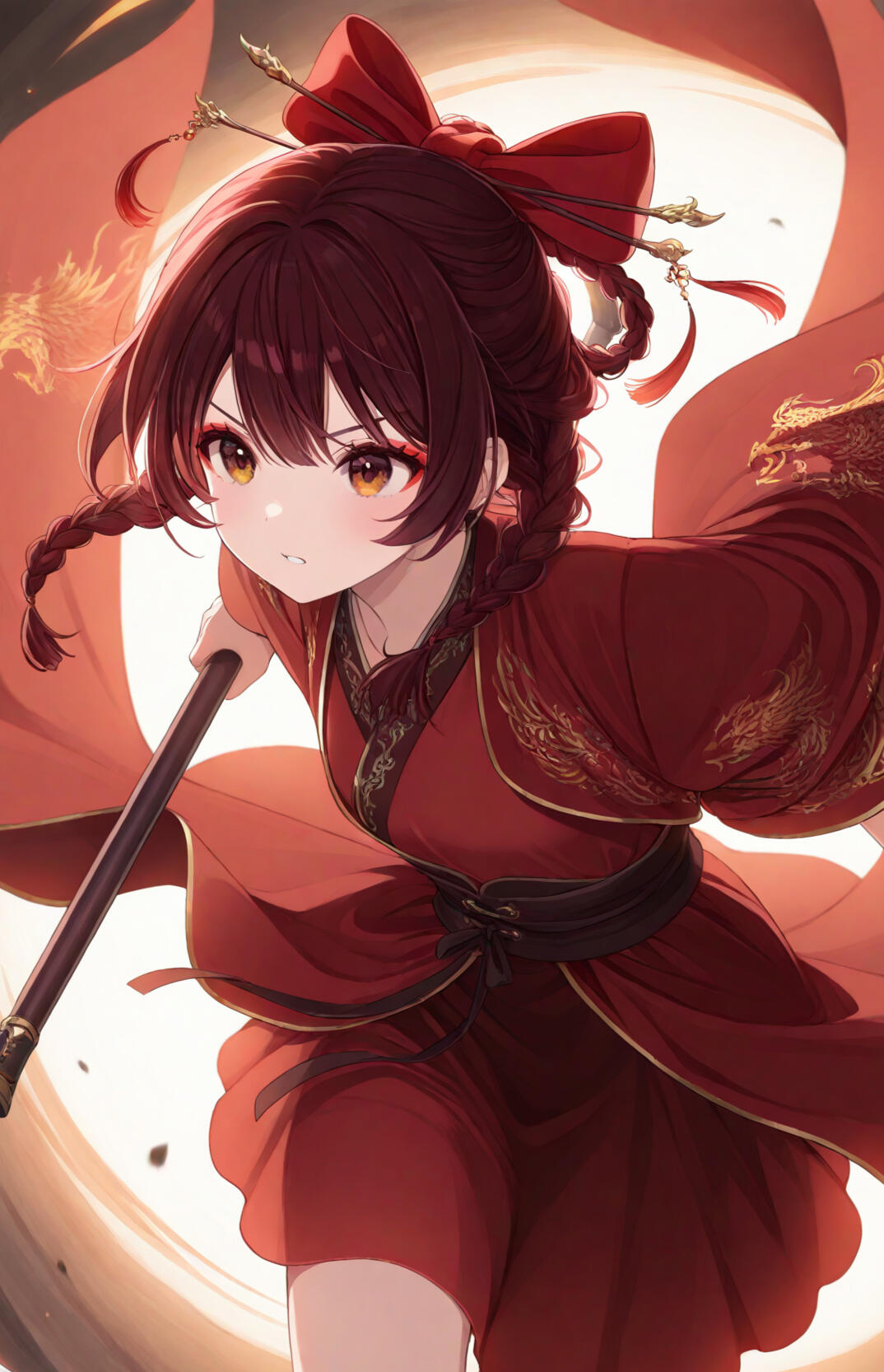
Tynaiv Xeigashi (seen below) is a master swordswoman, but more than that, she possesses the unique ability to take on the aspect of her family's guardian spirit: the phoenix.
Celestial Soaring Phoenix Blade (天翔鳳凰剣), is a Tier 2 Special Art. As such it has two concepts:
Take on the aspect of the phoenix, imbuing attacks with celestial fire. The longer a conflict goes on, the more intense you become.
Because it is Tier 2, Celestial Soaring Phoenix Blade also has two Prerequisites. Because it is a combat capability, she decides that Tier 2 Swordsmanship (Expertise) is required. Additionally, she must be wielding her ancestral blade to use it.
Additionally, because she recently completed a Character Goal that revolved around purifying her sword, she gives it a new Capability:
You can exorcise demons and spirits with a purifying strike.
Copyright 2025 A. B. Ravencourt. All Rights Reserved.
Aspect Compendium
While Fables & Foxtales lends much of itself to being interpretive and customizable, sometimes its simply better to have a list of examples of things that you can pull from and be done with it. This compendium was designed to provide a sample selection of Bonds, Expertise, and Triggers to pull from for ideas. Note, also, that Storytellers may design their own lists or provide examples of common Aspects for their own games.
Bonds
With People or Creatures
| Accomplice | Acquaintance | Admirer | Adversary |
| Adviser | Ally | Apprentice | Associate |
| Benefactor | Beneficiary | Best Friend | Boss |
| Brother-in-Arms | Caretaker | Client | Colleague |
| Companion | Confidante | Coworker | Cousin |
| Crush | Dependent | Enemy | Ex-Partner |
| Found Family | Frienemy | Friend | Grandparent |
| Guardian | Inspiration | Kindred Spirit | Lord |
| Mark | Master | Mentor | Mutual Friend |
| Neighbor | Parent | Partner | Patsy |
| Protege | Rival | Servant | Sibling |
| Soulmate | Spouse | Teacher | Trainee |
| Trainer | Trustee |
With Places
| Bound | A place you have a strong connection to. |
| Escape | A place where you go to clear your head. |
| Favorite | A place that is the best of its kinds. |
| Heritage | A place that you're from or originate. |
| History | Somewhere that has been important in the past. |
Note: You can be Bonded to small areas, like a quiet grove, your home, or an decrepit alleyway, or you might share a bond with an entire region, like a hometown, a countryside, or even a nation.
With Organizations
| Advocate | Alumni | Benefactor | CEO |
| Client | Employee | Indebted | Initiate |
| Investor | Member | Owner | Patron |
| Purveyor | Regular | Representative | Sponsor |
| Stakeholder | Volunteer |
Expertise
Academic Knowledge
| Anthropology | Archaeology | Architecture | Art |
| Astrology | Astronomy | Biology | Business |
| Chemistry | Computers | Economics | Education |
| Engineering | Ethics | Etiquette | Geography |
| Geology | History | Law | Linguistics |
| Literature | Mathematics | Medicine | Paleontology |
| Physics | Politics | Psychology | Sociology |
| Theology |
Crafting Professions
| Alchemist | Armorer | Beautician | Blacksmith |
| Carpenter | Cobbler | Culinarian | Jeweler |
| Musician | Photographer | Seamster | Silversmith |
Magic & Mysticism
| Abjuration | Divination | Evocation | Geomancy |
| Golemancy | Hydromancy | Necromancy | Pyromancy |
| Witchcraft |
Weaponry & Combat
| Armor | Axes | Bows | Cannons |
| Crossbows | Daggers | Knives | Pistols |
| Polearms | Rifles | Shotguns | Shields |
| Swords |
Triggers
Personality Traits
| Careful | Clever | Compassion | Courage |
| Curious | Dishonest | Dominance | Ethical |
| Honest | Honorable | Laid-Back | Peaceful |
| Rebellious | Smart | Submissive | Wise |
Instincts
| Explore | Nurture | Preserve | Procreation |
| Protect | Repulsion | Survival |
Needs
| Acceptance | Belonging | Community | Feedback |
| Intimacy | Privacy | Purpose | Respect |
| Support | Trust | Understanding | Validation |
Obligations
| Care | Charge | Creed | Debt |
| Dogma | Duty | Expectation | Gratitude |
| Liability | Patriotism | Pledge |
Note: Unfortunately, not everything in life can be rainbows and sunshine, and while its perfectly okay to focus on the positive aspects of your character, depending on the kind of story your group is telling, it might make for a more authentic tale if your character has negative Triggers as well, which are presented below.Remember, however, that you should never feel pressured to roleplay anything that you don't want to do or experience. If you have concerns, talk to your Storyteller and fellow players, establish boundaries, and consider talking about veils and lines.
Flaws
| Belligerent | Bully | Cutthroat | Dishonest |
| Ignorant | Immoral | Mean | Moody |
Trauma
| Abuse | Anxiety | Betrayal | Descrimination |
| Depression | Disability | Disaster | Hardship |
| Loss | Neglect | Phobias | PTSD |
Copyright 2025 A. B. Ravencourt. All Rights Reserved.
Optional Rules
Moods
Work in Progress... Check Back Soon!
Serendipity
When looking to add an element of excitement to your game, or give PCs more opportunities to help define the narrative of what's going on, Storytellers may consider implementing the optional Serendipity rules.
These rules are quite simple: when rolling Nature Challenge checks, certain result pairings add to the scene.
Serendipity: When a character rolls an "even" set result (two 2's, two 4's, two 6's, two 8's, or two 10's), it means that luck is on their side, and regardless of whether or not they succeed or fail the overall check, there is some sort of positive effect attached to the outcome that is determined by the player.
Destiny: When a character rolls an "odd" set result (two 3's, two 5's, or two 7's, or two 9's), it means that something mysterious happens, and regardless of whether or not they succeed or fail the overall check, the Storyteller gets to attach some sort of additional clause to the outcome. In this case, the clause might be good, bad, or neither, depending what would make the scene or situation more interesting!
Calamity: When a character rolls two 1's, it means that even if they succeed the check, there is a negative effect attached to the outcome. Or, if the attempt was a failure, it fails in a particularly bad or dramatic way. What kind of effect is produced by a Calamity is normally determined by the Storyteller, or by the group as a whole.
Copyright 2025 A. B. Ravencourt. All Rights Reserved.
Advanced Combat
Compose
(Change / Mental)
You take a moment to center yourself so you can think more clearly.
Deception
(Avoid / Social)
You attempt to falsify or conceal information when speaking to someone else.
Empathize
(Learn / Social)
You try to learn about someone through their body language, habits, and other tells.
Flourish
(Overcome / Physical)
You call upon your innate physical talents for feats of strength or agility.
Interrogate
(Overcome / Social)
You threaten, coerce, or torture someone in order to get information out of them.
Negotiate
(Change / Social)
You try to turn someone's opinion in your favor or get them on your side.
Perception
(Learn / Physical)
You study your environment and try to garner information about what you perceive.
Stealth
(Avoid / Physical)
You sneak or hide so as to avoid notice by someone or something else nearby.
Scenarios
A scenario is less of a mechanic unto itself and more of a simple grouping of acts or sequence of events that have more than one part to them. They provide a quick, convenient blanket reference for how certain common ventures should proceed.
Engaging in Combat
In times of strife, the only way to proceed forward towards one's goal may be to unsheathe their weapons and struggle against another. In a Combat scenario, two or more sides come to blows, and one must emerge victorious. What that victory looks like, however, and what it solves is up to those who partake of the conflict.
Plying a Profession
Going on a Journey
Every journey you make is unique, and might be full of hardship and trials, but nonetheless little adventures all their own. A Journey scenario is one in which there is an extended period of travel in which characters must meet and overcome some adverse conditions in order to get to their destination. A Journey might constitute a long, epic pilgrimage to a far away land or it could be something as simple as trying to get to the store on a rainy day.
Development Roadmap
The following sections includes plans for the future of Fables & Foxtales development
General Additions & Appendixes
Nature Pairing Examples: An analysis of different Nature pairings and how they might be used to represent situations.
Expanded Aspect Compendium: Varied lists similar to the current Aspect Compendium, but specialized by genre, theme, and other organizational factors.
Goal Appendixes: A non-exhaustive list of example Goals for both the Story and Characters.
Character Library: A gallery of pre-generated characters available for use in your Fables & Foxtales stories.
Character Sheet Templates: Various versions of Fables & Foxtales character sheets, including a text-based form, a form-fillable PDF, and a Google Sheets document, as well as other sources as needed.
Epicurean: Made-to-Order Adventures
Progress: Currently in Alpha Testing
The first official supplement for Fables & Foxtales introduces four progression Paths, each with advanced rules for cooking, crafting, cultivating, and foraging professions. The system allows for cross-Path progression and synergy, and each have broad categories of use, allowing any number of diverse interpretations.
Artisan: A crafting specialist who uses Efficiency to and ingenuity to create new and interesting things, from gizmos and gadgets, to works of art.
Culinarian: A master of the kitchen who adeptly assemble culinary masterpieces for the Fulfillment of others.
Cultivator: A caretaker of things great and small, bonding with their Pledges and creating a thriving Community.
Forager: Masters of the land who rely on skill and good Karma to bring balance to nature and reap the benefits of its bounty.
In Another World with the Player's Handbook
Progress: Future Project
A planned expansion that explores the concepts of 'isekai' or 'otherworld' settings, including reincarnation, summoned heroes, and 'cheat powers'.
Undaunted
Progress: In Development Queue
A planned supplement that expands the combat simulation capabilities of the game. Includes the following non-exhaustive list of goals:
Damage Mitigation: A system for simulating armor, supernatural effects, and other sources to mitigate Hits.
Elementals Paradigm: Guides for devising and implementing a system of 'elements' within Fables & Foxtales.
Combat Setup & Execution: A more advanced ruleset for combat, and examples of how different modes of combat (duels, ambushes, etc.) can be run.
Large-Scale Combat: A developed system for simulating large-scale battles with numerous participants, such as between armies, vehicles, and various different crafts.
Venues & Ventures
Progress: In Planning
A planned supplement that allows players and storytellers the chance to simulate running various kinds of establishments, businesses, and organizations. May be absorbed into a larger project in the future.
MonsterYume
Progress: Future Project
A planned expansion/mod of the Cultivator from Epicurean, this Fables & Foxtales supplement is meant to allow players the ability to meet, tame, summon, raise, contract, and bond with creatures that serve as pets, companions, and protectors.
Cherry Blossoms in Bloom
Progress: Future Project
A planned expansion that simulates slice-of-life styled game themes, focusing on expanding how Bonds work and defining how to run popular 'anime'-themed games with heavily social themes and tropes.
Copyright 2025 A. B. Ravencourt. All Rights Reserved.
Grimoire Hart Academy
Campaign Resources
Character Options
Copyright 2025 A. B. Ravencourt. All Rights Reserved.
Grimoire Hart Academy
Character Ancestries
The following ancestries are available for play in the Grimoire Hart Academy campaign for Fables & Foxtales. For more detailed information on each ancestry, check the Wiki tab in the Student Handbook.
Anima
Akhtomi
Aurroch
Caprica
Laika
Lamia
Meio

Muridian
Myrric
Ohlimaro
Sacurah
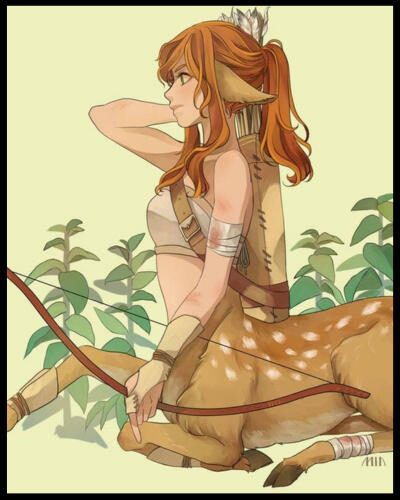
Sagittaria
Roan
Titania
Velvetyr
Elves
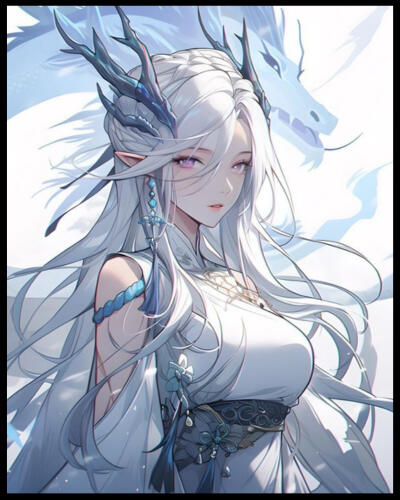
Dralkarii
Ebondarii
Eldarii
Glascarii
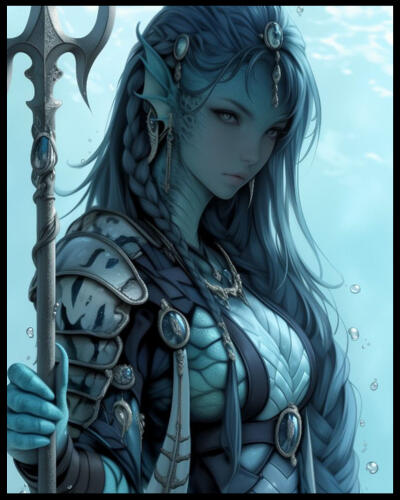
Merylarii
Solarii
Sylvandarii
Elysian
Angel
Daemon
Dwarf
Nephilim
Humanity
Eldgardian
Kraznoxian
Lundvoltian
Shizuokkan
Jareth
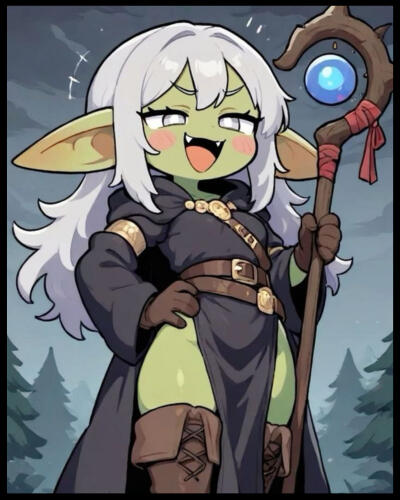
Goblin
Harpy
Mu
Orc
Kami
Dryad
Kitsune
Nereid
Onigaara
Copyright 2025 A. B. Ravencourt. All Rights Reserved.
Contact the Developer
Hi there, I'm A. B. Ravencourt, the developer and designer of Fables & Foxtales!A little about me, I'm originally from the Midwest US, but currently reside in the Pacific Northwest. When not working my day job, I write, read, game, and watch a ton of anime!For collaboration, questions, and comments, feel free to send an email to [email protected]!
Copyright 2025 A. B. Ravencourt. All Rights Reserved.
Credits & Attributions
Background Image
Obligatory attribution, as this lovely image is from PNGtree.
Copyright 2025 A. B. Ravencourt. All Rights Reserved.